Quick Answer
Choosing between a dental filling vs onlay in London, ON comes down to how much healthy tooth remains. Small to moderate cavities usually call for a filling, while larger areas of damage on a back tooth often need an onlay for stronger, longer-lasting coverage. Your dentist decides after an exam and X-rays.
You caught a cavity before summer ended, and now a new question lingers as the school bells ring: should that tooth get a simple filling or a sturdier onlay? Understanding the difference between a dental filling vs onlay in London, ON helps you walk into your appointment ready, especially when back-to-school schedules and fall sports season crowd the calendar. At Clarke Dental Care on Clarke Road, both repairs protect your smile, yet each one suits a specific amount of damage.
Dental Filling vs Onlay: The Core Difference
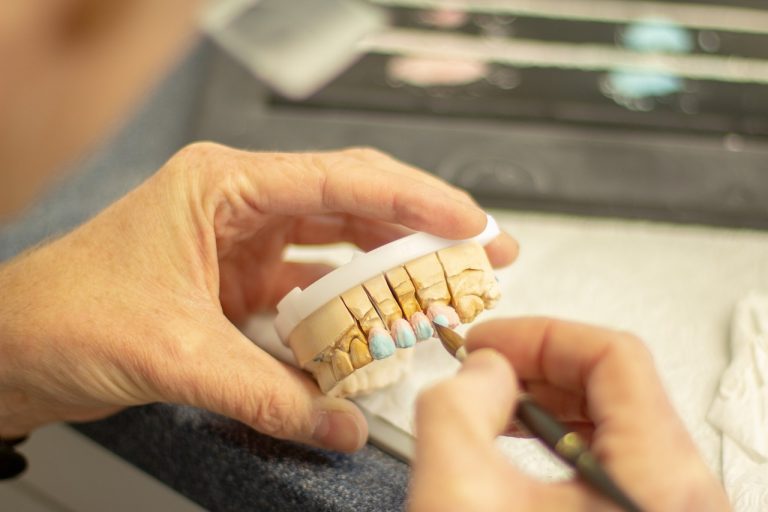
A filling repairs a tooth directly, while an onlay is crafted in advance and then bonded into place. Specifically, a filling uses composite resin packed straight into the cleaned cavity during one visit. An onlay, however, is a custom restoration that rebuilds one or more cusps of a back tooth. Consequently, the choice depends on how much tooth structure the decay or fracture has taken away.
Fillings shine for smaller repairs. Additionally, they cost less and finish quickly. Onlays, by contrast, cover wider damage without removing as much healthy enamel as a full crown would. Therefore, dentists often call an onlay a “partial crown” because it sits comfortably between a filling and complete coverage.
When a Filling Is Usually Enough
A filling works well when the cavity is small and the surrounding walls stay strong. For example, early decay spotted during a routine checkup responds beautifully to composite bonding. Furthermore, fillings handle chips and minor wear on chewing surfaces. According to the Canadian Dental Association, fillings restore both the function and shape of a damaged tooth. Because the repair happens in a single appointment, it fits neatly into a busy back-to-school week.
When an Onlay Protects Better
An onlay becomes the smarter option once damage spreads across the cusps. Specifically, a large old filling, a cracked molar, or extensive decay can leave too little tooth for composite alone to hold. In those cases, an onlay restores strength while preserving more natural enamel. Moreover, a Cochrane review examining restorations for root-filled teeth noted that the choice between direct fillings and indirect restorations depends on how much tooth structure remains. That principle guides the filling versus onlay decision every day.
How Your London, ON Dentist Decides
Your dentist examines the tooth, reviews digital X-rays, and measures how much healthy structure survives. Additionally, the team checks whether you grind your teeth, since heavy bite forces favour a stronger restoration. If decay reaches deep but the nerve stays healthy, a filling may still work. However, when a wall of the tooth is undermined, an onlay guards against future fractures. This individualized review reflects the relationship-focused care at Clarke Dental Care, where tooth-coloured fillings and inlays and onlays are both part of everyday restorative care.
The location of the tooth matters too. Front teeth rarely need onlays because they face less chewing pressure. Molars and premolars, in contrast, absorb powerful forces during every meal. Consequently, those back teeth are the most common candidates for onlays.
Seasonal Smiles: Fall Sports and Back-to-School Repairs
Autumn is a practical time to settle restorative work. Students return to routines, and parents often book overdue repairs before winter holidays arrive. If your teen plays hockey, soccer, or basketball, a weakened tooth deserves attention before contact season begins. Furthermore, a well-restored molar handles the stress of an active schedule far better than a cracked one. For athletes, a custom night guard or sports appliance can also shield restored teeth from impact and grinding.
Timing also helps with coverage. Clarke Dental Care accepts the Canadian Dental Care Plan, which can make both fillings and onlays more affordable for eligible patients. Additionally, flexible hours, including evenings and one Saturday each month, make it easier to fit appointments around school and work.
Caring for Your Restored Tooth
Both repairs last longer with consistent oral hygiene. Specifically, brush twice daily, floss around the restoration, and keep regular cleaning visits. The Ontario Dental Association lists fillings among the most common procedures that maintain long-term oral health. Moreover, routine exams let your dentist spot wear early, so a small filling never grows into a bigger problem. Protecting your periodontal health and enamel keeps either restoration performing for years.
Frequently Asked Questions
Does an onlay last longer than a filling?
Generally, yes. An onlay is crafted from durable ceramic or resin and bonded precisely, so it often withstands chewing forces longer. However, a well-placed filling can also last many years when the cavity is small and well maintained.
Is getting a filling or an onlay painful?
Neither repair should hurt, because your dentist numbs the area first. Additionally, Clarke Dental Care offers comfort-focused options for anxious patients. Mild sensitivity afterward is normal and usually fades within a few days.
Can a filling be replaced with an onlay later?
Yes. If a large filling fails or the tooth weakens over time, your dentist can upgrade the repair to an onlay. Consequently, you preserve more natural tooth than waiting until a full crown becomes necessary.
How many visits does each option take?
A filling typically finishes in one appointment. An onlay, however, often requires two visits, since the restoration is custom-made before bonding. Your dentist will explain the timeline during your exam.
Book Your Restorative Consultation
Still unsure whether your tooth needs a filling or an onlay? The dental team at Clarke Dental Care, located at 155 Clarke Rd in London, ON, will examine your tooth and recommend the right repair. Contact our London, ON office today to schedule your visit and protect your smile this season.
Sources & References
- Canadian Dental Association, “Fillings”
- Ontario Dental Association, “Common Dental Procedures”
- Single crowns versus conventional fillings for the restoration of root-filled teeth (Cochrane Database Syst Rev, 2015)